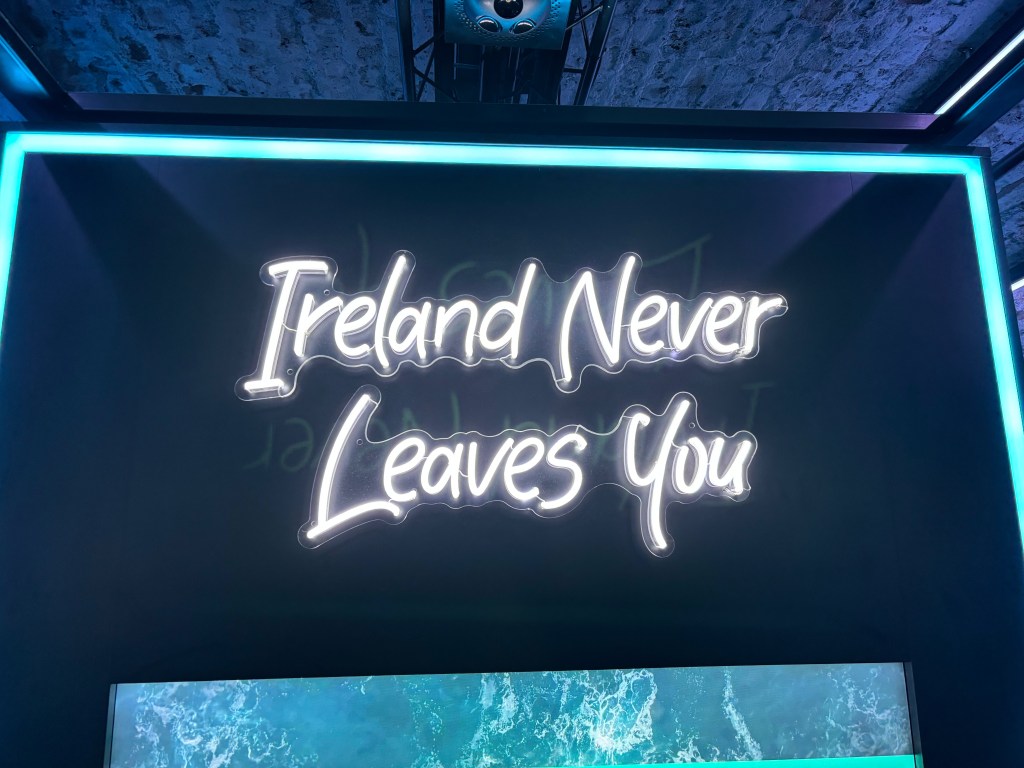
“Being Irish, he had an abiding sense of tragedy, which sustained him through temporary periods of joy.” – William Butler Yeats
My family is like many American families – we are the conglomeration of many different cultures and histories. One of those histories is that of the Irish.
My grandpa was a Tierney. The Ó Tighearnaigh clan originated primarily in Counties Meath, Mayo, and Donegal, with some branches found in Clare and Tipperary. The name was historically associated with leadership and nobility in Irish Gaelic society. Tierney families were often chieftains or held influential positions within their communities.
Grandpa was the chieftain of the family – universally beloved and admired. Like most of my family, I wanted to be just like him. To make him proud, I studied Irish history and embraced our people’s spirit. The more I learned about the Irish, the more I learned about myself.
The Irish spirit is one of resilience, defiance. The Irish have cultivated an unbreakable will to survive. For centuries, the Irish have faced oppression, persecution, and discrimination—both in their homeland and across the world. From English colonization and the Great Hunger to the Anti-Irish sentiment that permeated America, Irish history is steeped in struggle. Yet, despite all of it, the Irish people have never backed down. We have fought, we have endured, and we have built something stronger from the ashes of our hardships.
A (quick) History of Persecution
The Irish have long been treated as second-class citizens in their own country. The British colonization of Ireland was a long and complex process that spanned several centuries, beginning in the 12th century and continuing in various forms until Irish independence in the 20th century.
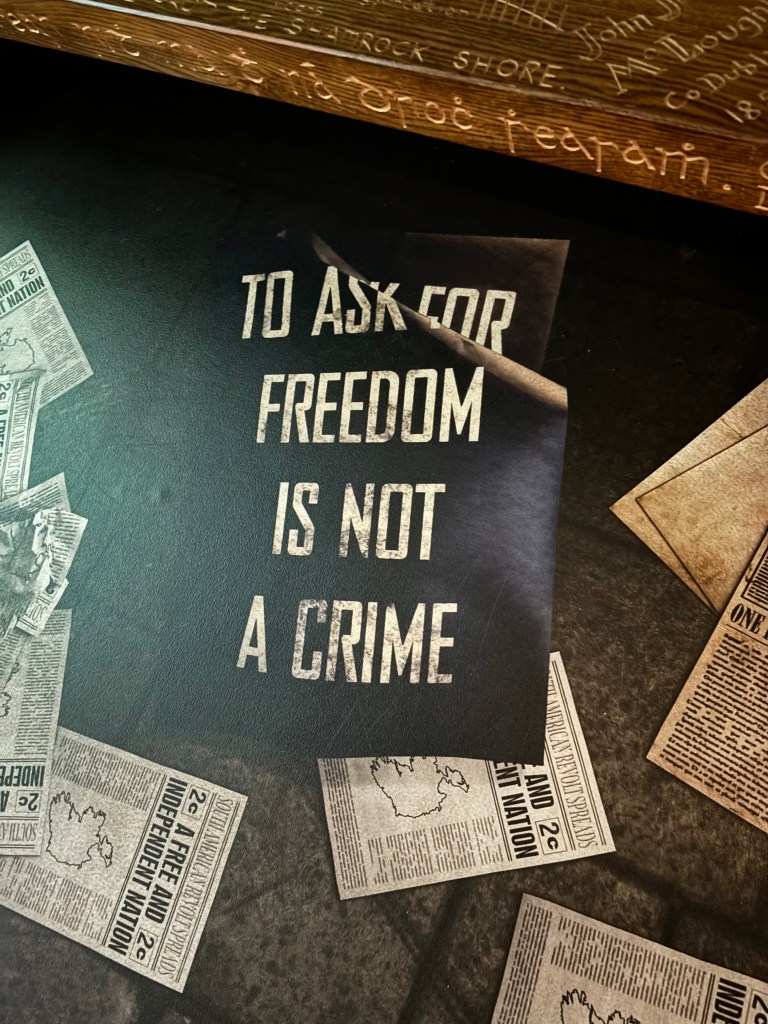
Under British rule, they were stripped of their land, their language, and their rights. The Penal Laws outlawed Catholicism, education, and even property ownership for Irish Catholics, forcing many into poverty and servitude. The Great Hunger (1845-1852), often referred to as the Irish Potato Famine, was not just a natural disaster—it was a failure of British policy that led to over a million deaths and forced millions more to flee their homeland. The population of Ireland fell by 50 percent, and it still hasn’t reached pre-famine numbers even today.
When millions of Irish arrived in America seeking refuge, they were met with discrimination and hostility. The infamous “No Irish Need Apply” signs in the 19th and early 20th centuries were a clear indication that Irish immigrants were unwanted. They were seen as drunkards, criminals, and an inferior race. In the workplace, in housing, and even in social circles, the Irish were pushed to the margins, forced to fight for every opportunity.
Perseverance and Triumph
But the Irish spirit would not be broken. Over time, Irish immigrants organized, unionized, and fought for their rights. They found power in numbers, supporting one another through political and social movements. From labor unions to public office, they refused to stay silent.
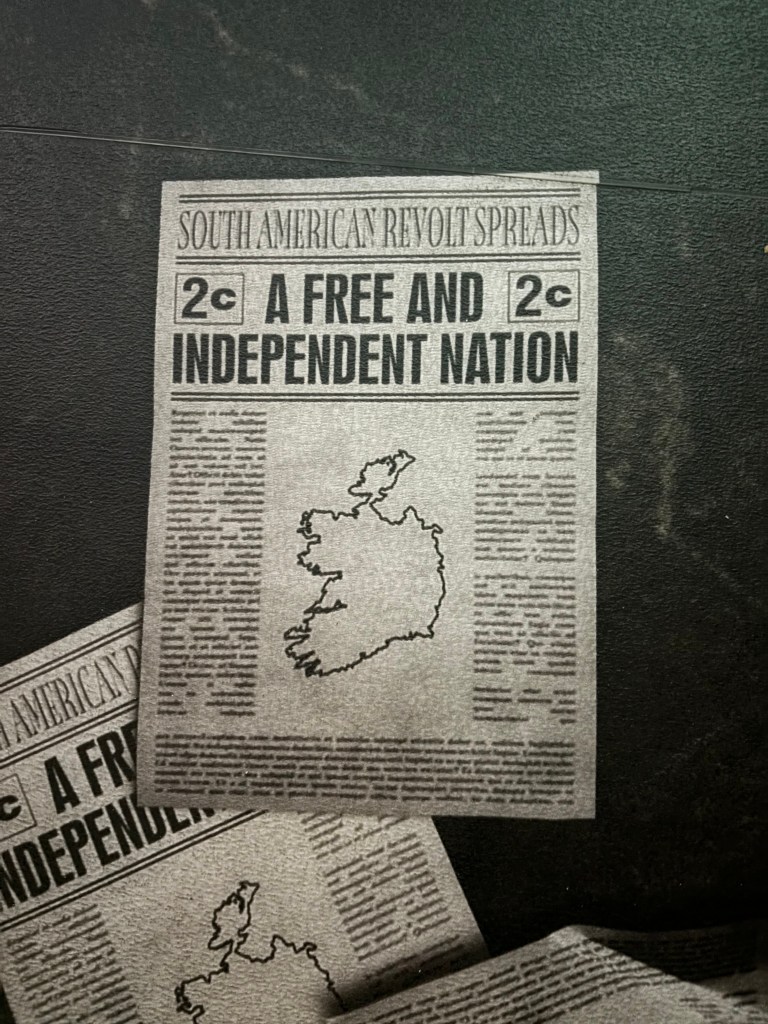
Today, Irish Americans are woven into the fabric of this America’s success, yet their struggles are forgotten, and they should not be.
- Discrimination & Stereotyping
- “No Irish Need Apply” Signs – Widespread job discrimination in the 19th and early 20th centuries, portraying Irish people as lazy, violent, or untrustworthy.
- Political Cartoons – Irish Americans were often depicted as ape-like and dangerous in newspapers, reinforcing negative stereotypes.
- Poverty & Hard Labor
- Famine Refugees in Slums – Many Irish immigrants arrived in the U.S. destitute and were forced to live in tenements with poor sanitation and high mortality rates.
- Exploitation in Dangerous Jobs – Irish workers often took on some of the most hazardous jobs, such as railroad construction and coal mining, where they faced deadly conditions.
- Religious Discrimination
- Anti-Catholic Sentiment – Irish Catholics were viewed with suspicion and faced hostility from Protestant Americans, including violent riots like the 1834 Ursuline Convent riots in Massachusetts.
- Political Oppression
- Tammany Hall Stereotype – While Irish Americans did gain political power in cities like New York and Chicago, they were often dismissed as corrupt political bosses rather than recognized for their role in social reform.
We must remember, as much of this history persists today in different ways for different marginalized groups.
Why I Fight for Others
All people are imperfect. It shouldn’t need to be said, but I feel we live in a world where nuance is missing. As Irish Americans assimilated, many leaned into the overt and subminimal racism that was (and still is) American culture. Some became corrupt as they moved up the social ladder.

However, there remains so many examples of Irish Americans maintaining a spirit of resistance – a resistance to corruption, a resistance to forgetting where they came from. This resistance can be found in how they tried (albeit imperfectly) to make the world around them a better place. John F. Kennedy, Daniel Patrick Moynihan, Mother Jones, Paul O’Dwyer, Tom Hayden, Jane Addams, and many others serve as examples of how we can use our past to make the future a better place.
I carry this Irish spirit in my heart, not just as a point of pride, but as a reminder to call for action. My ancestors fought against oppression and discrimination, but their story is not unique. While the Irish eventually found a way forward, many other marginalized communities continue to face systemic injustices today.
Black Americans, Indigenous peoples, immigrants, the LGBTQ+ community, and too many others still fight against systems designed to keep them down. The same dehumanization, the same exclusion, the same barriers that once held my ancestors back are still alive and well in different forms. And so, I choose to stand with them.
I relate to their struggle because I know where I come from. By knowing history I understand humanity has a way of making the same mistakes, and it is up to us to break the cycle. If my ancestors could fight against injustice, then I owe it to those still struggling to do the same. I will not stand by while others suffer the same pain that my own people once endured. And honestly, even if my people didn’t suffer, it’s not right that anyone is denied their humanity simply because they breathe differently than those in power.
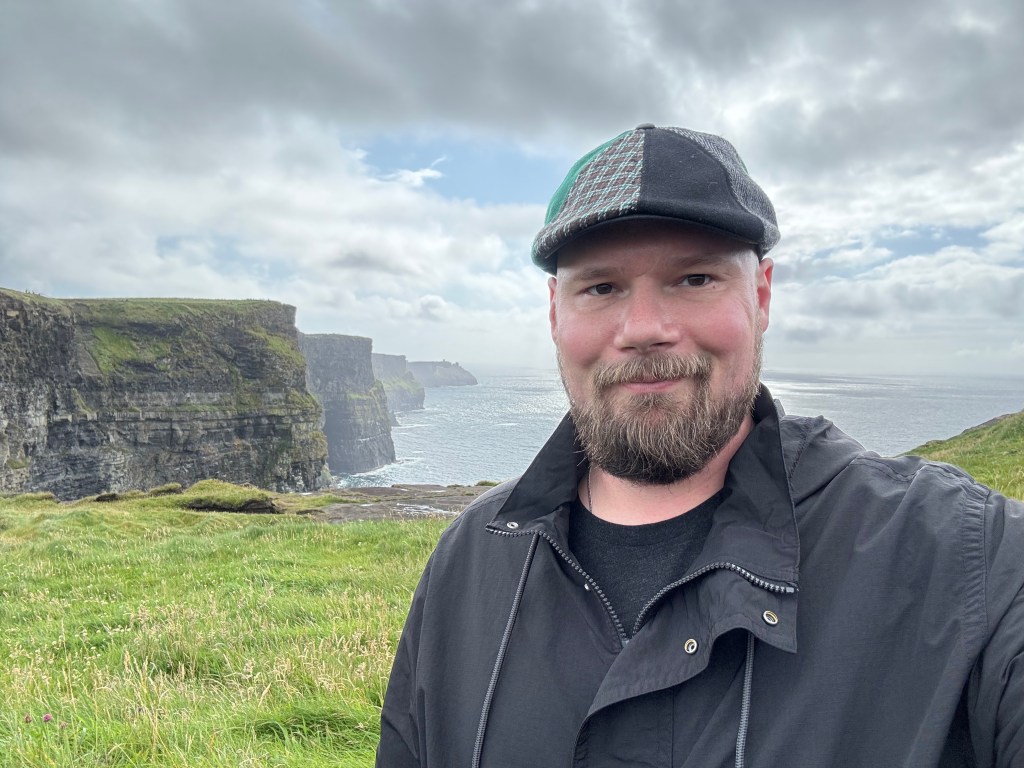
The Irish have a saying: Ní neart go cur le chéile—”There is no strength without unity.” We must stand together, fight together, and ensure that the perseverance of one people becomes the perseverance of all.
Because justice isn’t just about looking back at what our ancestors overcame—it’s about making sure no one else has to endure the same fight alone.
© 2025 HR Philosopher. All rights reserved.
 The HR Philosopher